Why Florida Roofs Get Black Streaks, And What Actually Removes Them
 Chris Marlatt··6 min read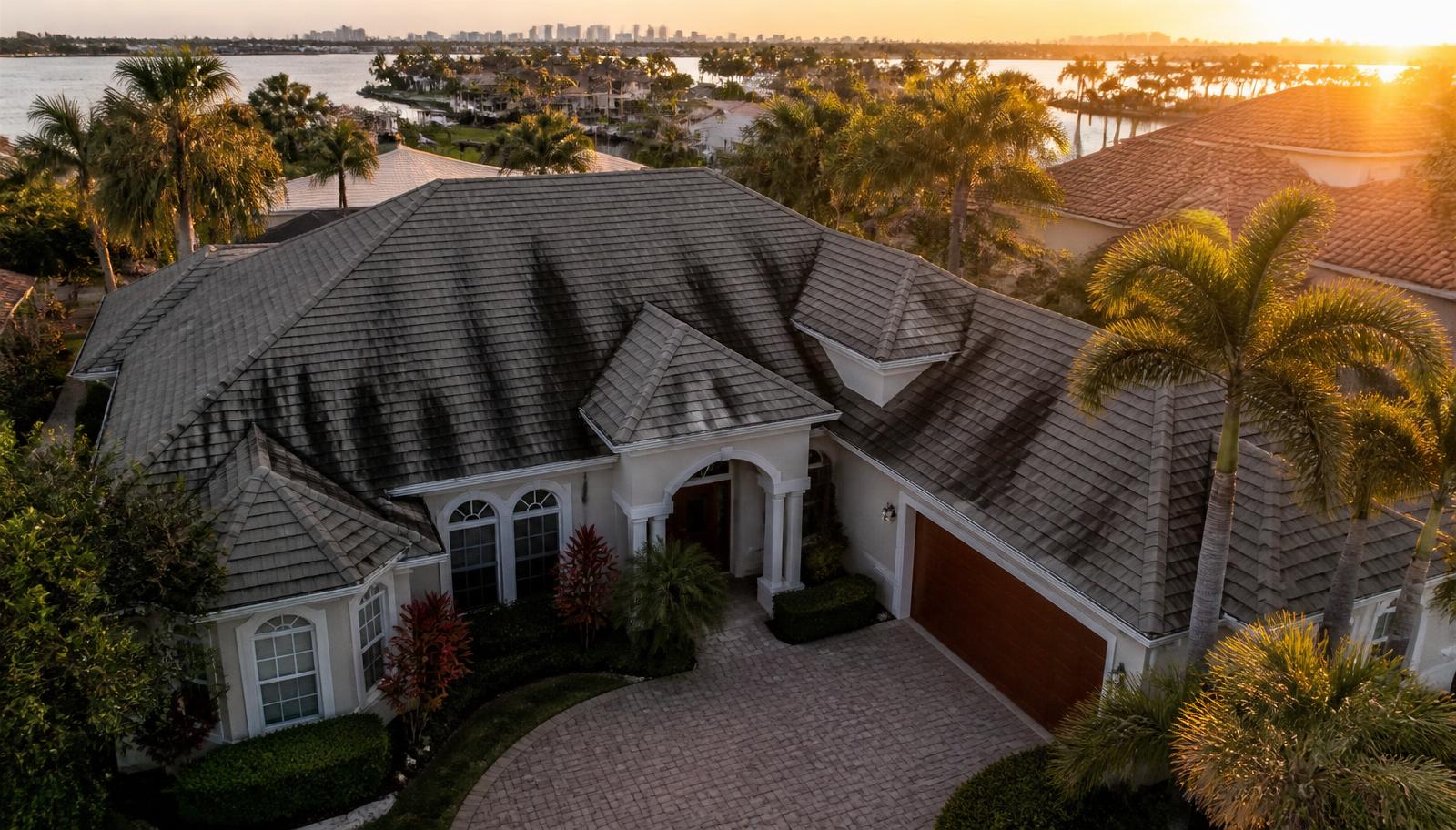
Black streaks on Florida roofs are gloeocapsa magma algae, which feed on limestone filler in asphalt shingles and hold moisture against the roof. Soft washing with a diluted, shingle-safe algaecide is the only cleaning method that kills the roots without damaging granules or voiding the warranty. Pressure washing and bleach both damage the roof and can kill landscaping.
- Black streaks are living algae, not dirt or mildew, and they actively shorten shingle life.
- Florida's humidity and limestone-filled shingles make algae growth almost inevitable on shaded roofs.
- Pressure washing strips granules and voids manufacturer warranties; bleach corrodes metal flashing and harms plants.
- Copper or zinc ridge strips prevent regrowth by releasing harmless ions every time it rains.
- If your roof is already past year 12, cleaning buys time but cannot replace an aging shingle.
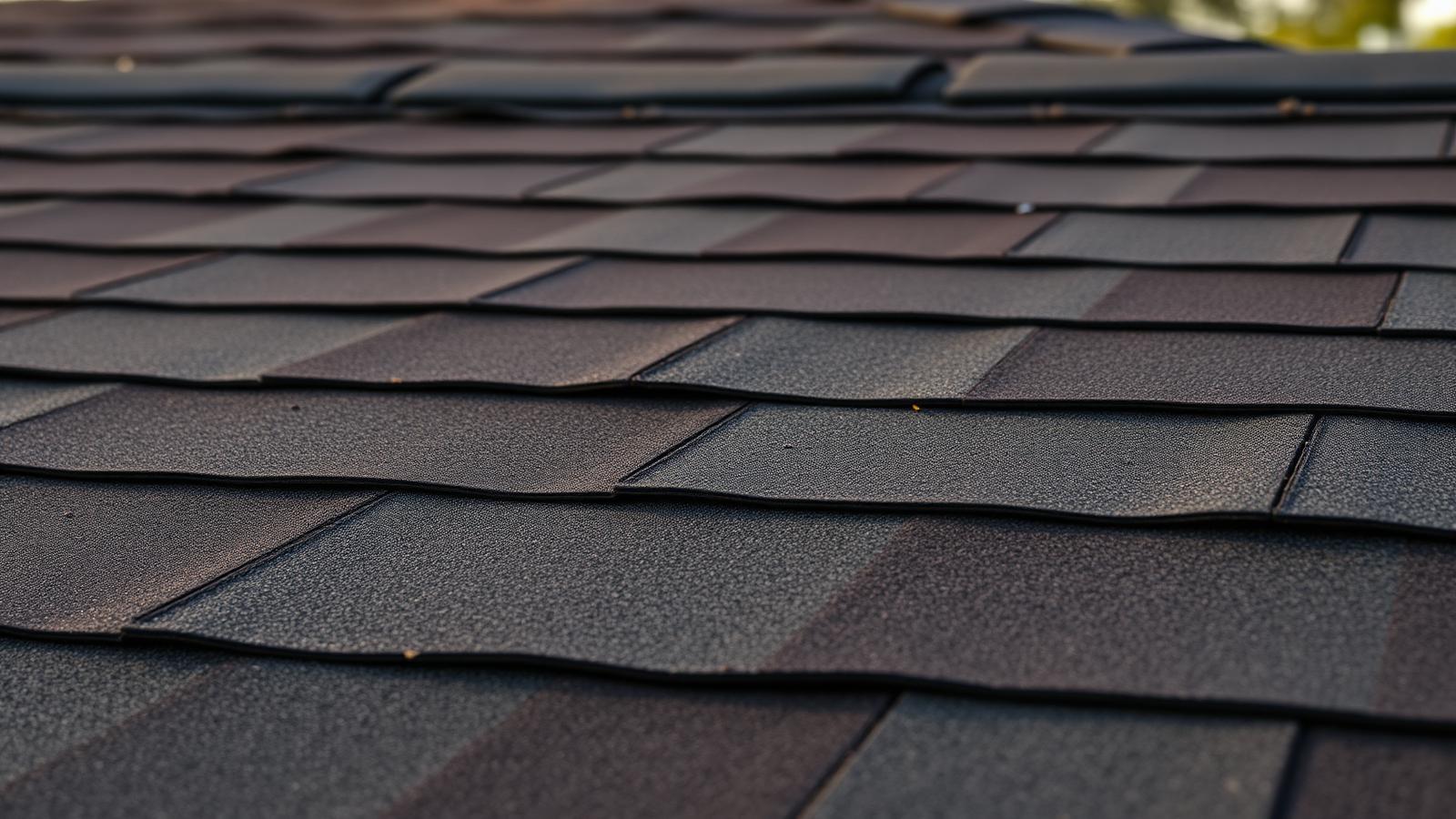
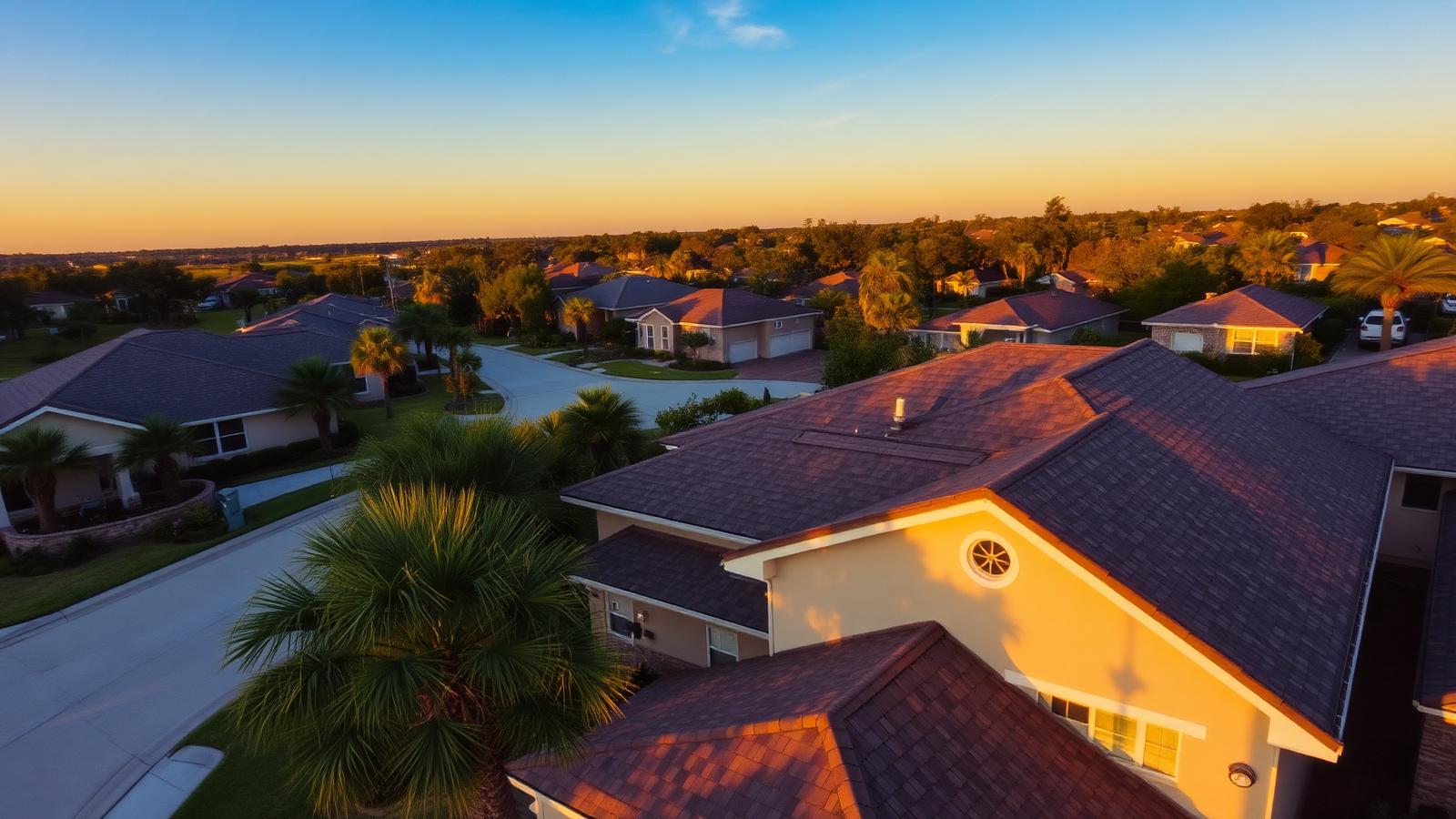
Drive through any Tampa neighborhood built in the 1990s or 2000s and you will see the same pattern: dark vertical stripes running down the north and west slopes, especially under oak canopies. Homeowners call it mildew, dirt, or pollution. It is none of those. It is a cyanobacteria called gloeocapsa magma, and it is one of the most misunderstood roof problems in Florida.
What are the black streaks on my roof?
Gloeocapsa magma is a photosynthetic bacteria that thrives in heat, humidity, and shade. It feeds on the calcium carbonate filler manufacturers add to asphalt shingles for weight and durability. As the colony grows, it forms a dark protective sheath that blocks sunlight, traps moisture, and keeps the roof surface damp longer after rain. On a Florida roof that is already baking in UV, that extra moisture is a death sentence for the asphalt mat underneath.
Why does Florida get it worse than everywhere else?
- Humidity stays above 70% for months at a time, giving algae a permanent growing environment.
- North-facing and west-facing slopes dry last and stay shaded longest.
- Mature oak and magnolia canopies drop shade and organic matter directly onto the roof.
- Modern architectural shingles use more limestone filler than older shingles, which is great for fire rating but also food for algae.
- Florida's rainy season keeps surfaces wet for half the year.
What is the right way to clean it?
The only method any licensed roofer will recommend is soft washing. A technician applies a low-pressure solution, usually a diluted mix of sodium hypochlorite or a shingle-safe algaecide, and lets it dwell. The dead algae rinses away with normal rainfall over the next few weeks. No pressure washer touches the granules. No walking on the roof breaks tile or compresses decking.
| Method | Does it work? | Will it damage the roof? | Warranty safe? |
|---|---|---|---|
| Soft wash | Yes, kills roots | No | Yes |
| Pressure wash | Cleans surface only | Strips granules, lifts tabs | No, voids warranty |
| Bleach straight-up | Kills surface algae | Corrodes flashing, dries shingles | No |
| DIY spray-and-scrub | Partial | Foot traffic damage, uneven coverage | No |
What about copper and zinc strips?
After cleaning, the best prevention is a copper or zinc ridge strip installed at the peak. Every rain releases trace metal ions that wash down the roof and create a zone algae cannot colonize. It is passive, cheap, and lasts years. Just know it only protects the slope below the strip; complex roofs with multiple ridges need multiple strips.
When is cleaning a waste of money?
If your shingle roof is already past 15 years, has widespread granule loss, or is curling at the edges, cleaning will make it look better for a season but will not extend its life. In that case the algae is a symptom, not the disease. The better spend is a Roof Pack(Edge) Report to see whether you are buying months or a decade.
Will my insurance make me replace it?
Insurance carriers do not cancel policies for algae alone, but they do use it as a signal of overall neglect. A roof thick with algae, moss, and clogged gutters is more likely to be flagged at renewal. More importantly, algae on an already-aging roof often masks the real condition underneath. A clean roof with photos is much easier to defend in a storm claim.
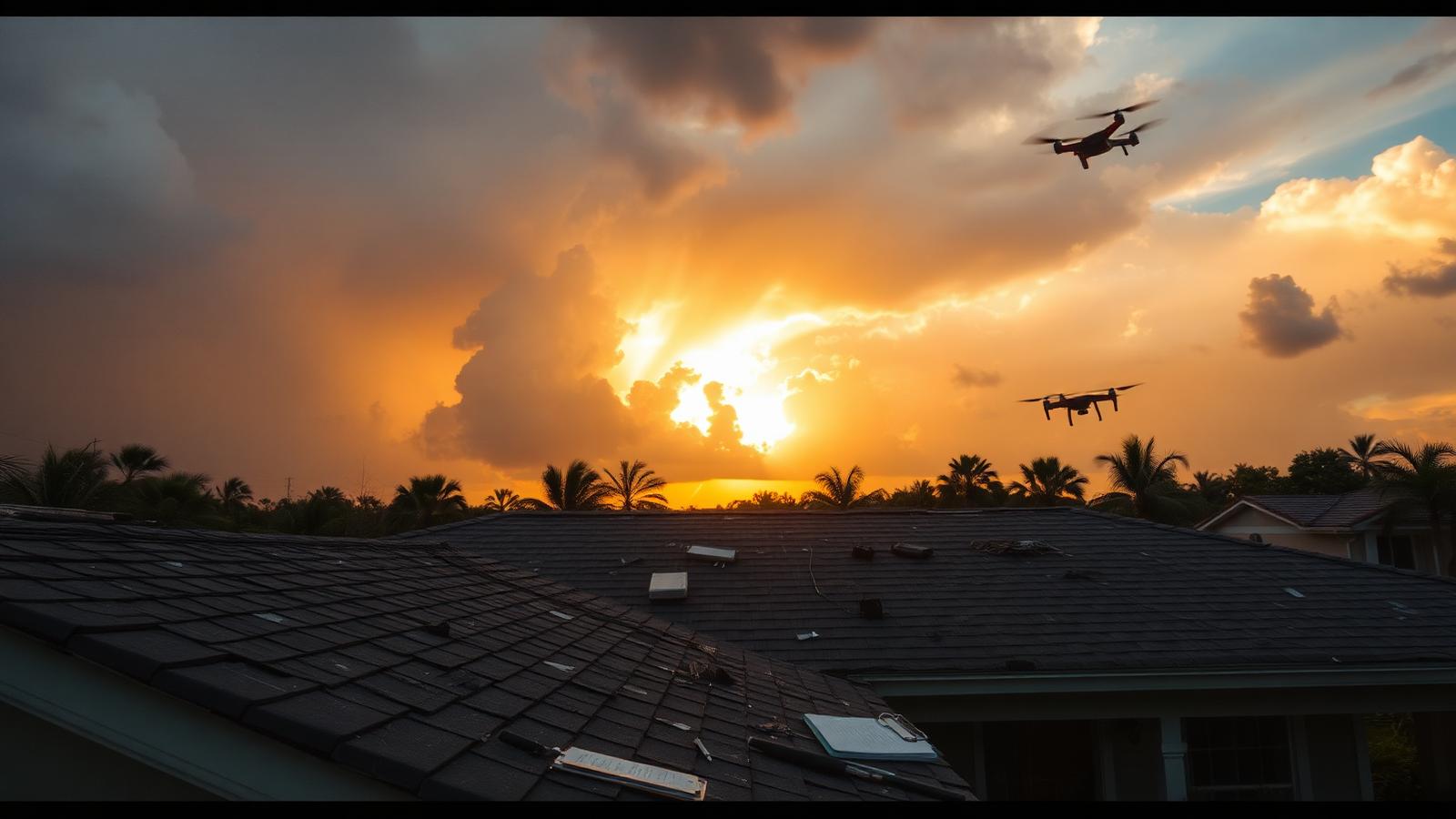
Black streaks are a fact of life in Florida, but they do not have to be a permanent one. Clean it the right way once, prevent it with copper or zinc, and keep your documentation current. If your roof is already showing age, let us drone it and tell you the truth about how much life is left, no pressure, just photos and facts.
Frequently asked questions
What causes black streaks on Florida roofs?
Black streaks are caused by gloeocapsa magma algae, a photosynthetic bacteria that feeds on limestone filler in asphalt shingles and thrives in Florida's heat and humidity.
Is roof algae harmful to shingles?
Yes. Algae colonies trap moisture against the shingle, speed up granule loss, raise surface temperature, and can shorten the roof's life by several years if left untreated.
Can I pressure wash my roof to remove algae?
No. Pressure washing strips protective granules, lifts shingle tabs, and typically voids the manufacturer warranty. Soft washing is the only safe method for asphalt shingles.
How much does it cost to soft wash a roof in Tampa?
Most Tampa homes cost between $300 and $800 for a professional soft wash, depending on roof size, pitch, and how thick the algae is. A full roof replacement is far more expensive if the wrong cleaning method damages the roof.
Do copper or zinc strips really prevent algae?
Yes. Rainwater releases metal ions from copper or zinc ridge strips that wash down the roof and prevent algae from growing back. They are inexpensive, passive, and effective for years.
Get the real answer for your roof.
The Roof Pack(Edge) Report is a drone-documented inspection with photos, a remaining-life estimate and a written scope. No pressure. You keep it either way.