How to File a Roof Insurance Claim After a Florida Hurricane (Without Getting Denied)
 Chris Marlatt··9 min read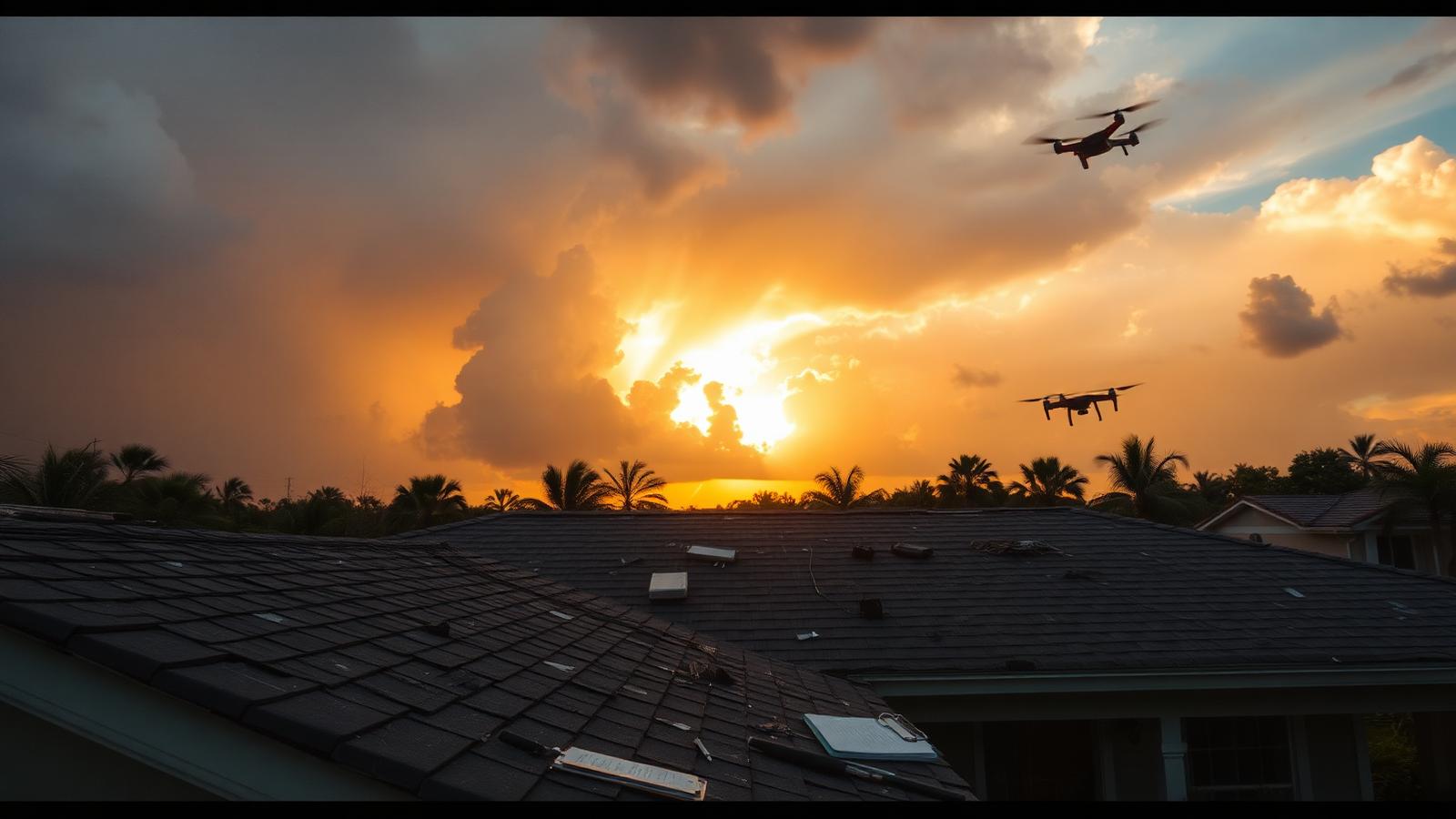
In Florida you have one year from the date of a hurricane to file a new property insurance claim and 18 months to file a supplemental claim. Photograph the damage immediately, make reasonable temporary repairs and keep the receipts, get an independent roofer's inspection before the adjuster arrives, and never sign a contract that assigns your claim rights away.
- Florida's deadline is 1 year from the date of loss for a new claim, 18 months for a supplemental, down from the old 3-year window.
- Hurricane deductibles are a percentage (usually 2%) of dwelling coverage, not a flat dollar amount.
- Document before you clean up. Photos taken after debris removal are far weaker evidence.
- The carrier's adjuster works for the carrier. Have your own roofer present at the inspection.
- Age-related wear is never covered, but storm damage to an older roof still can be.
A hurricane claim is won or lost in the first 72 hours. Not in the appeal, not in the phone calls three weeks later, in what you photograph, what you document and who you let on your roof before the adjuster shows up. Here's the process we walk Tampa Bay homeowners through every season.
What is the deadline to file a hurricane roof claim in Florida?
Florida law gives you one year from the date of the storm to file a new or reopened property insurance claim, and 18 months to file a supplemental claim for additional damage discovered later. That is a hard statutory deadline. Waiting for a contractor to get back to you is not an excuse a carrier has to accept, so notify your insurer in writing as soon as you suspect damage, even before you have a repair estimate.
What should you do in the first 72 hours?
- Stay off the roof. Wet, storm-loaded decking is where people get hurt. Photograph from the ground and let a drone handle the rest.
- Photograph everything, every slope, every elevation, interior ceiling stains, wet insulation, soffit and fascia, fallen limbs, and any debris still on the ground. Timestamped photos are your evidence.
- Mitigate reasonable damage: tarp active leaks, move furniture, run fans. Your policy requires you to prevent further damage, and refusing to mitigate can reduce your payout.
- Keep every receipt, tarps, fans, a hotel night, a plumber. Reasonable mitigation costs are typically reimbursable.
- Notify your carrier in writing and save the claim number and the date you reported it.
- Get an independent inspection from a licensed Florida roofer before the carrier's adjuster arrives, so you know what's actually up there.
How does a Florida hurricane deductible work?
Most Florida policies carry two deductibles. The all-other-perils deductible is a flat amount, commonly $1,000 to $2,500. The hurricane deductible is a percentage of your dwelling coverage, usually 2%, sometimes 5%. Which one applies depends on how the loss is classified, and that single classification can swing your out-of-pocket by thousands.
| Dwelling coverage | 2% hurricane deductible | 5% hurricane deductible |
|---|---|---|
| $300,000 | $6,000 | $15,000 |
| $500,000 | $10,000 | $25,000 |
| $750,000 | $15,000 | $37,500 |
| $1,000,000 | $20,000 | $50,000 |
The hurricane deductible generally applies only to damage from a named storm during the official hurricane window. Wind damage from an ordinary Tampa summer thunderstorm falls under the lower all-other-perils deductible, which is why the date and cause of loss on your claim matter so much.
What does the adjuster actually look for?
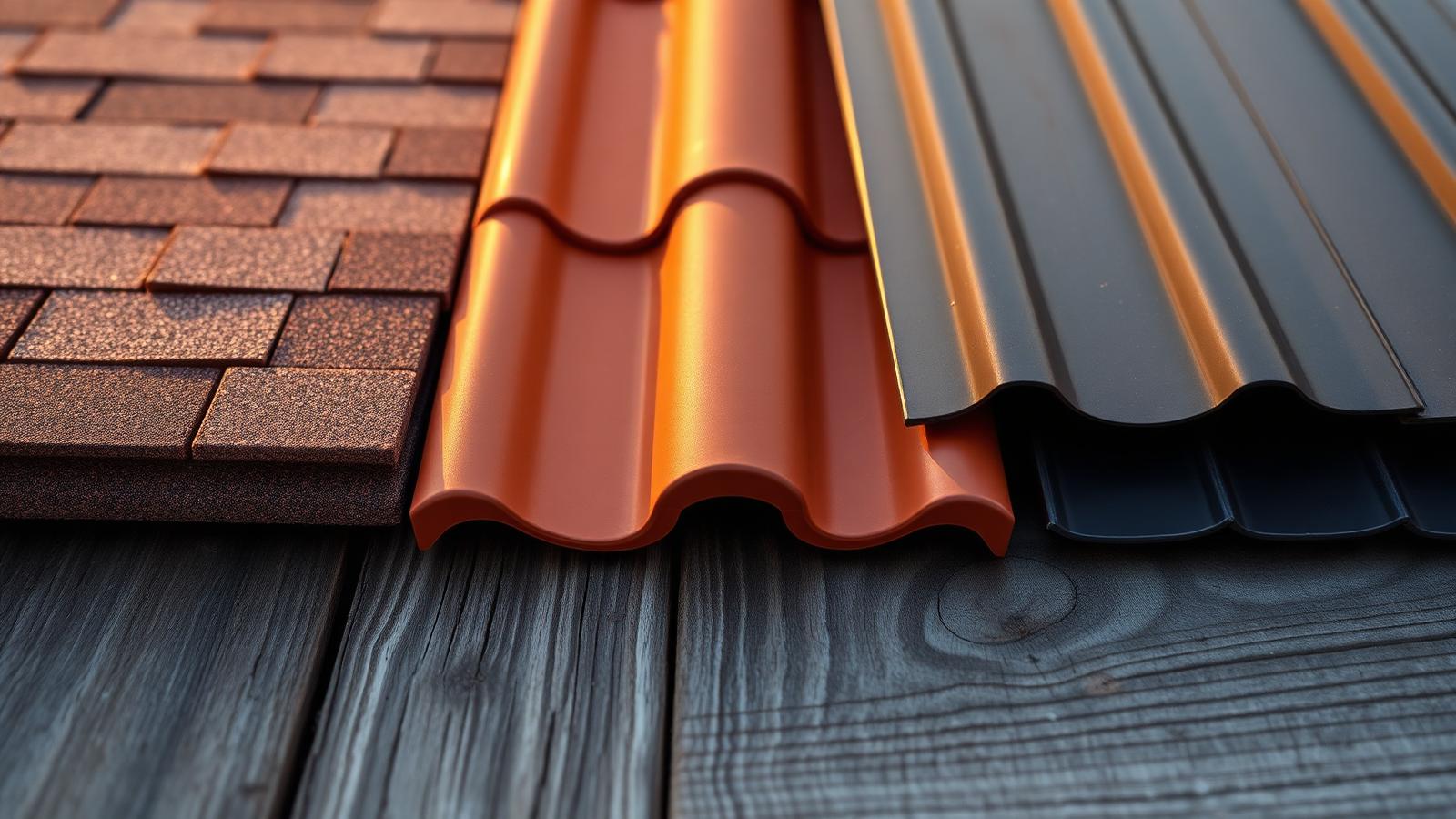
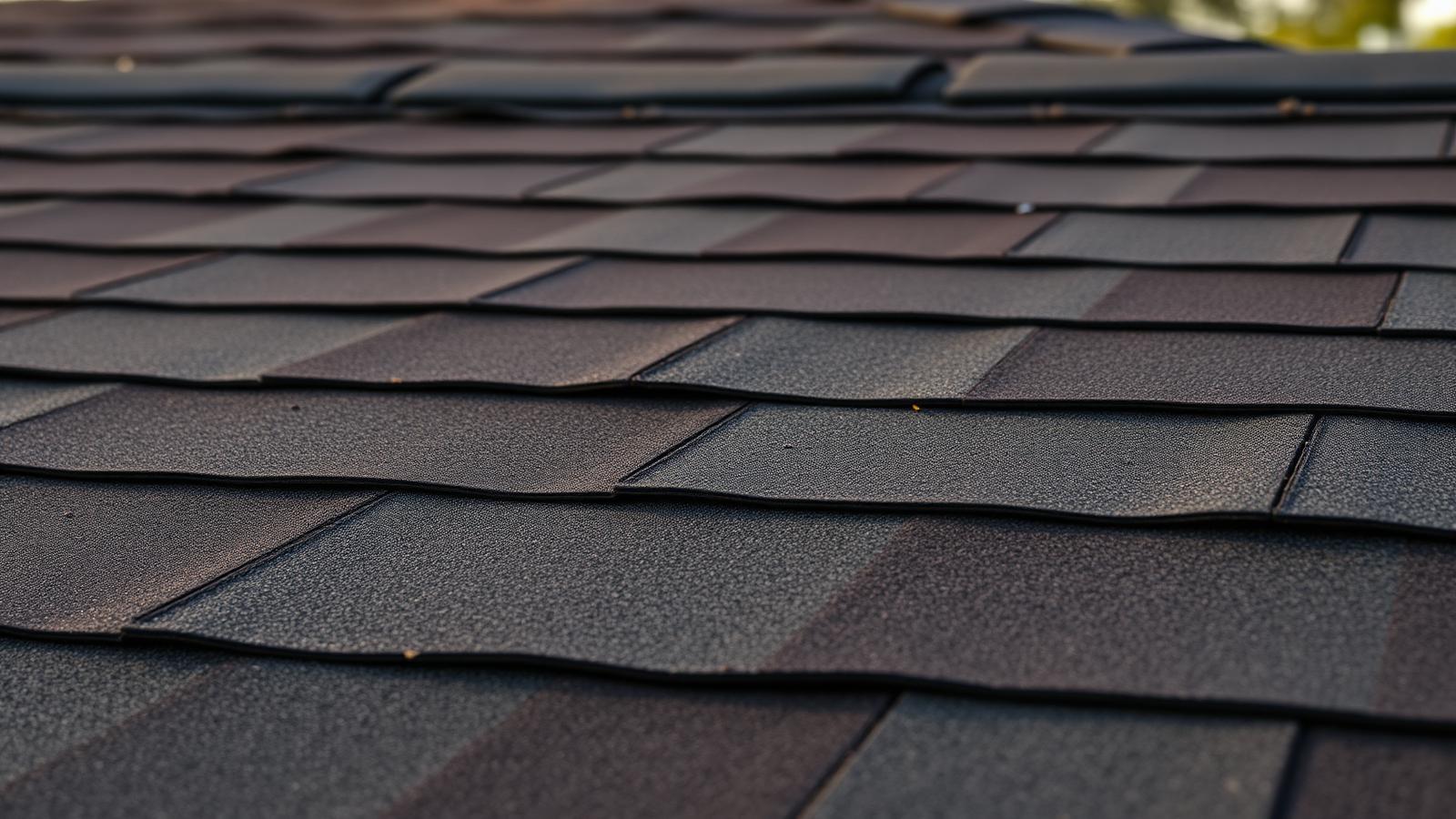
The field adjuster is documenting whether the damage is sudden and storm-caused, or gradual and age-caused. On shingle roofs they look for creased and lifted tabs, missing shingles, granule loss in impact patterns, and displaced ridge caps. On tile they look for cracked, slipped or broken tiles and exposed underlayment. On metal they check panel uplift at the seams, fastener back-out and denting.
- Test squares, small marked sections used to count damage per 100 sq ft and extrapolate across the slope.
- Interior evidence, ceiling stains, attic daylight, wet insulation. Interior damage strongly supports an exterior claim.
- Matchability, if the damaged shingle is discontinued, Florida law can support replacing the full slope or roof rather than patching.
- Pre-existing condition notes, anything they can classify as wear rather than storm damage.
Why do Florida roof claims get denied?
- Late notice, reported past the one-year window, or months after the storm with no explanation.
- Wear and tear, a roof past its service life where the carrier attributes failure to age, not wind.
- No pre-loss documentation, nothing showing the roof was intact before the storm.
- Cleanup before documentation, debris removed and tarps installed with no photos of the original damage.
- Maintenance exclusions, clogged valleys, prior unrepaired leaks, failed sealant at penetrations.
- Unpermitted prior work, a previous repair done without a permit can void coverage on that section.
A denial is not the end. You can request the full adjuster report and photos, submit a supplemental claim with your roofer's counter-scope, invoke your policy's appraisal clause, or file a complaint with the Florida Department of Financial Services. Most reversals we see come from a well-documented supplemental, not a lawsuit.
Should you sign an assignment of benefits?
No. Florida largely eliminated assignment of benefits for property insurance claims, and any contractor still pushing an AOB-style agreement, or offering to 'waive your deductible', is a red flag. Waiving a deductible is insurance fraud in Florida, and it puts you on the hook, not just them. A legitimate roofer works for you, bills you, and helps document the claim without taking control of it.
What if the roof is old but the damage is real?
Age alone doesn't disqualify a claim. What changes is how the carrier pays. A newer roof is usually covered at replacement cost value, they pay the depreciation back once the work is complete. Older roofs are often written on actual cash value, where depreciation is deducted permanently. Some Florida policies also use a roof surfacing payment schedule that pays a declining percentage based on roof age. Read your declarations page before you assume a number.
How The Roof Pack handles storm claims
We drone-document every slope, write a line-item scope in the same estimating language your carrier uses, meet the adjuster on site, and hand you a Roof Pack(Edge) Report with photos and findings, whether you hire us or not. We don't file the claim for you and we don't take a cut of it. We just make sure what's on your roof is what's in the file.
Frequently asked questions
How long do I have to file a hurricane roof claim in Florida?
Florida law allows one year from the date of loss to file a new or reopened property insurance claim, and 18 months to file a supplemental claim for additional damage discovered later.
How much is a hurricane deductible in Florida?
Hurricane deductibles in Florida are usually 2% of your dwelling coverage, though some policies use 5%. On a $500,000 dwelling limit, a 2% hurricane deductible is $10,000.
Will filing a roof claim raise my insurance rates?
A single weather-related claim after a named storm generally has less rate impact than repeated claims, but Florida carriers do consider claim history at renewal. If damage is close to your deductible, the payout may not be worth the file.
Can I get a new roof if my claim is denied?
Yes. You can request the adjuster's report, submit a supplemental claim with an independent roofer's scope, invoke your policy's appraisal clause, or file a complaint with the Florida Department of Financial Services. Many denials are reversed with better documentation.
Should I let a roofer handle my insurance claim for me?
A roofer can document damage, provide a detailed scope and meet your adjuster on site, but Florida law restricts contractors from negotiating or adjusting the claim on your behalf. Avoid anyone offering to waive your deductible, that is fraud.
Get the real answer for your roof.
The Roof Pack(Edge) Report is a drone-documented inspection with photos, a remaining-life estimate and a written scope. No pressure. You keep it either way.