10 Signs You Need a New Roof, Before the Leak Ever Starts
 Chris Marlatt··7 min read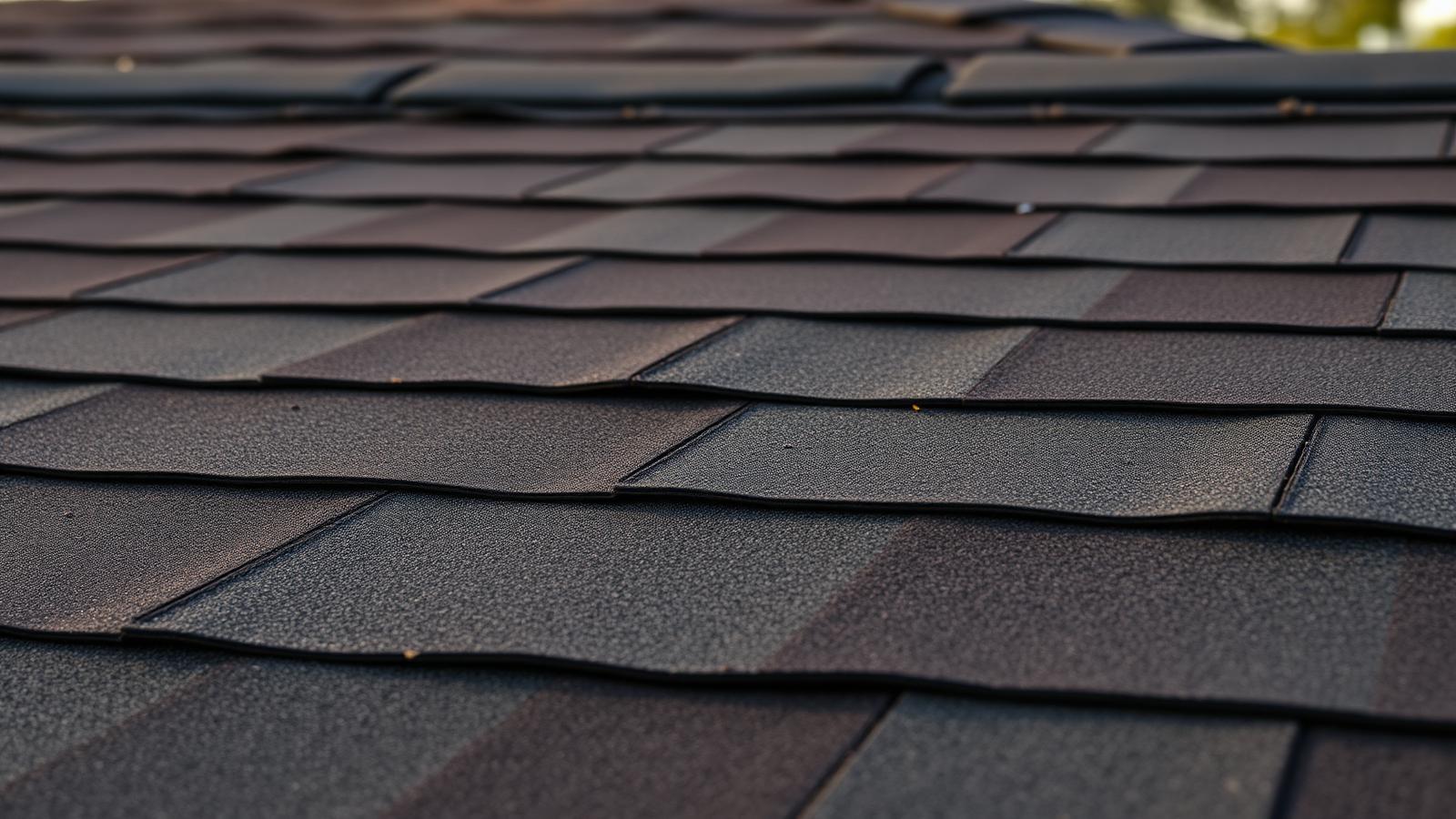
The clearest signs you need a new roof are granules collecting in gutters, curling or cupping shingle edges, daylight visible in the attic, sagging rooflines, and a roof over 15 years old. In Florida, age and granule loss usually show up years before any interior leak.
- A leak is the last symptom, not the first, most Florida roofs fail visually 3 to 5 years before water shows up inside.
- Granules in the gutter are the single most reliable early indicator.
- Florida insurers start non-renewing shingle roofs around year 15 regardless of condition.
- Any sag in the roof plane is a structural issue, not a roofing issue. Call same day.
Homeowners almost always call us after the ceiling stains. By then, water has been getting past the shingle and sitting on the deck for one to three seasons, and what could have been a repair is now a replacement plus drywall plus insulation. The roof gives you warning signs long before that. Here's the list, roughly ordered from most urgent to least.
1. Sagging or dipping in the roof plane
Stand across the street and sight down the ridge line. It should be dead straight. Any dip, wave or bow means the decking or the framing beneath it has taken on moisture and lost structural integrity. This is the one sign on this list that warrants a same-day call.
2. Daylight or water staining in the attic
Go into the attic mid-day with the lights off. Any pinpoint daylight through the deck means an open path for water. Dark streaking down the rafters or matted, discolored insulation means water has been coming in for a while.
3. Granules in the gutters and downspouts
Those little gravel-like granules are the shingle's UV armor. A brand-new roof sheds a few during the first rains. An aging roof sheds them constantly, and you'll find them piled in gutter corners and at the bottom of downspouts. Once the granules go, the asphalt mat underneath bakes and cracks fast in Florida sun.
4. Curling, cupping or clawing shingles
Edges lifting upward is cupping; the center rising with edges down is clawing. Either way the shingle has lost its flexibility and no longer seals against the course below it. Curled shingles are what wind grabs first.
5. Missing, cracked or bruised shingles
Obvious after a storm, but bruising from hail or limb strike is not obvious. It looks like a soft dark spot with the granules knocked off. It doesn't leak immediately, which is exactly why it gets missed until the claim window has closed.
6. Your roof is over 15 years old
This is the sign homeowners argue with most. Florida insurance carriers routinely refuse to renew policies on shingle roofs at 15 years and on tile at 25, regardless of condition. Age alone can cost you your coverage, and losing coverage costs far more than the roof.
7. Dark streaks and heavy algae growth
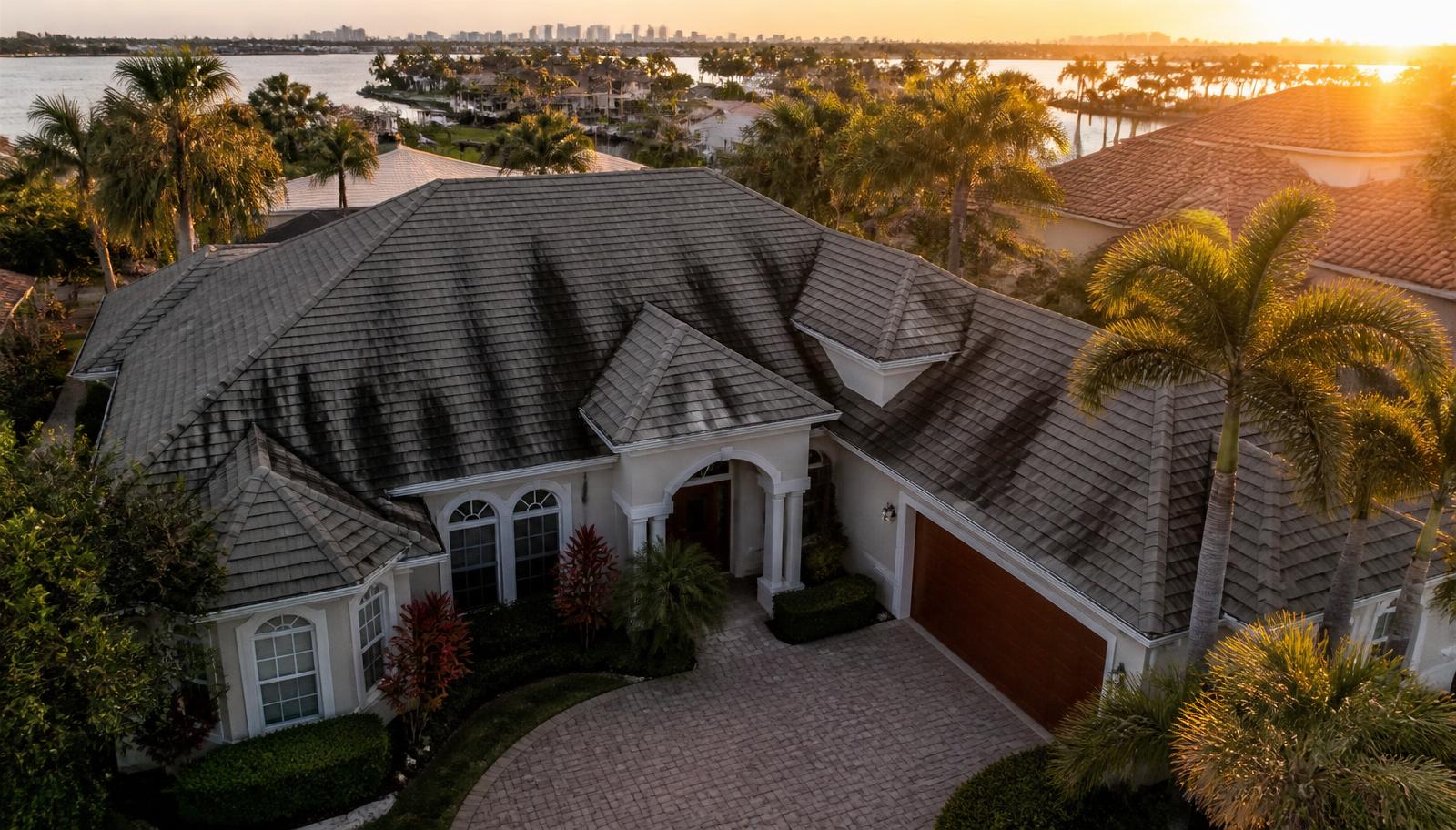
The black streaking you see all over shaded Lutz and Carrollwood roofs is gloeocapsa magma algae. Cosmetic at first, but it retains moisture against the shingle mat and speeds up granule loss. On a roof already past year 12, it accelerates the ending.
8. Rusted, loose or missing flashing
Flashing at chimneys, skylights, valleys and wall transitions is where the vast majority of leaks actually start, not in the open field of the roof. Rust bleed or visible sealant patching is a sign somebody has already band-aided a real problem.
9. Rising energy bills with no other explanation
A failing roof usually means a failing ventilation and moisture picture in the attic. Wet insulation loses R-value, superheated attic air pushes your AC harder, and your bill climbs a little every season.
10. Your neighbors are all getting new roofs
In master-planned communities like Meadow Pointe, Bexley or Westchase, entire streets were built in the same 18-month window with the same builder-grade shingle. If three houses on your block are getting replaced, yours is on the same clock.
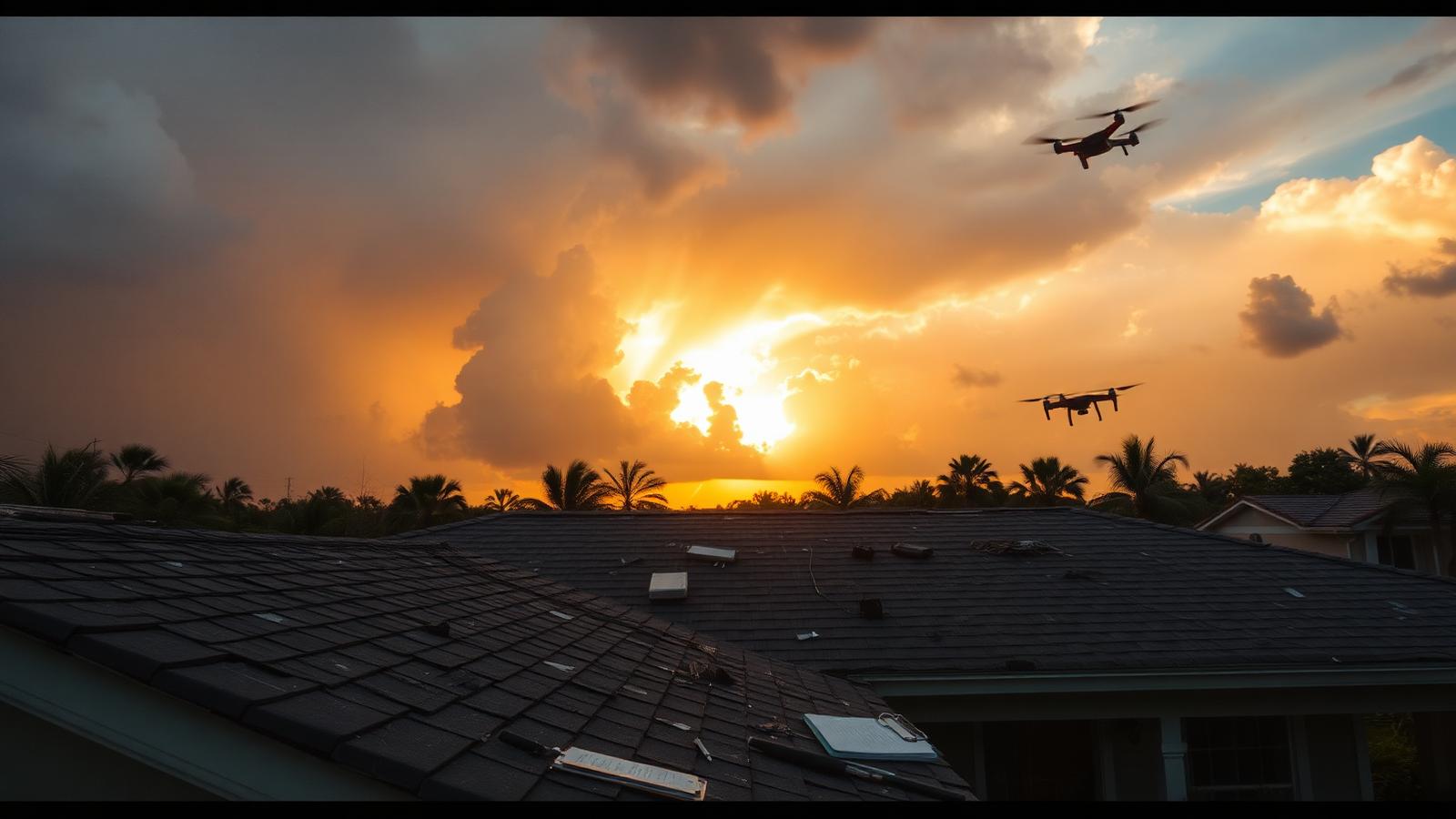
If you counted two or more of these, get eyes on it. Our Roof Pack(Edge) Report is a free drone-documented inspection with photos, remaining-life estimate and a written scope, no pressure, no obligation, and you keep the report whether you hire us or not.
Frequently asked questions
How do I know if I need a roof repair or a full replacement?
Localized damage on a roof under 12 years old is usually a repair. Widespread granule loss, curling across multiple slopes, or any roof past 15 years is a replacement, patching an aging roof rarely returns the cost.
How often should a Florida roof be inspected?
Once a year, plus after any named storm or major wind event. Annual inspection also creates the documented history insurers look for when you file a claim.
Can I inspect my own roof?
Inspect from the ground with binoculars and from inside the attic. Do not walk a Florida roof yourself, tile cracks under foot traffic and aging shingle deck can be soft in ways you cannot see from above.
Will my insurance pay for an old roof that is just worn out?
No. Homeowners insurance covers sudden storm damage, not age-related wear. That's why documenting damage promptly after a storm matters so much in Florida.
Get the real answer for your roof.
The Roof Pack(Edge) Report is a drone-documented inspection with photos, a remaining-life estimate and a written scope. No pressure. You keep it either way.