Metal vs. Tile vs. Shingle: The Best Roof for Florida Heat, Hurricanes & Salt Air
 Chris Marlatt··8 min read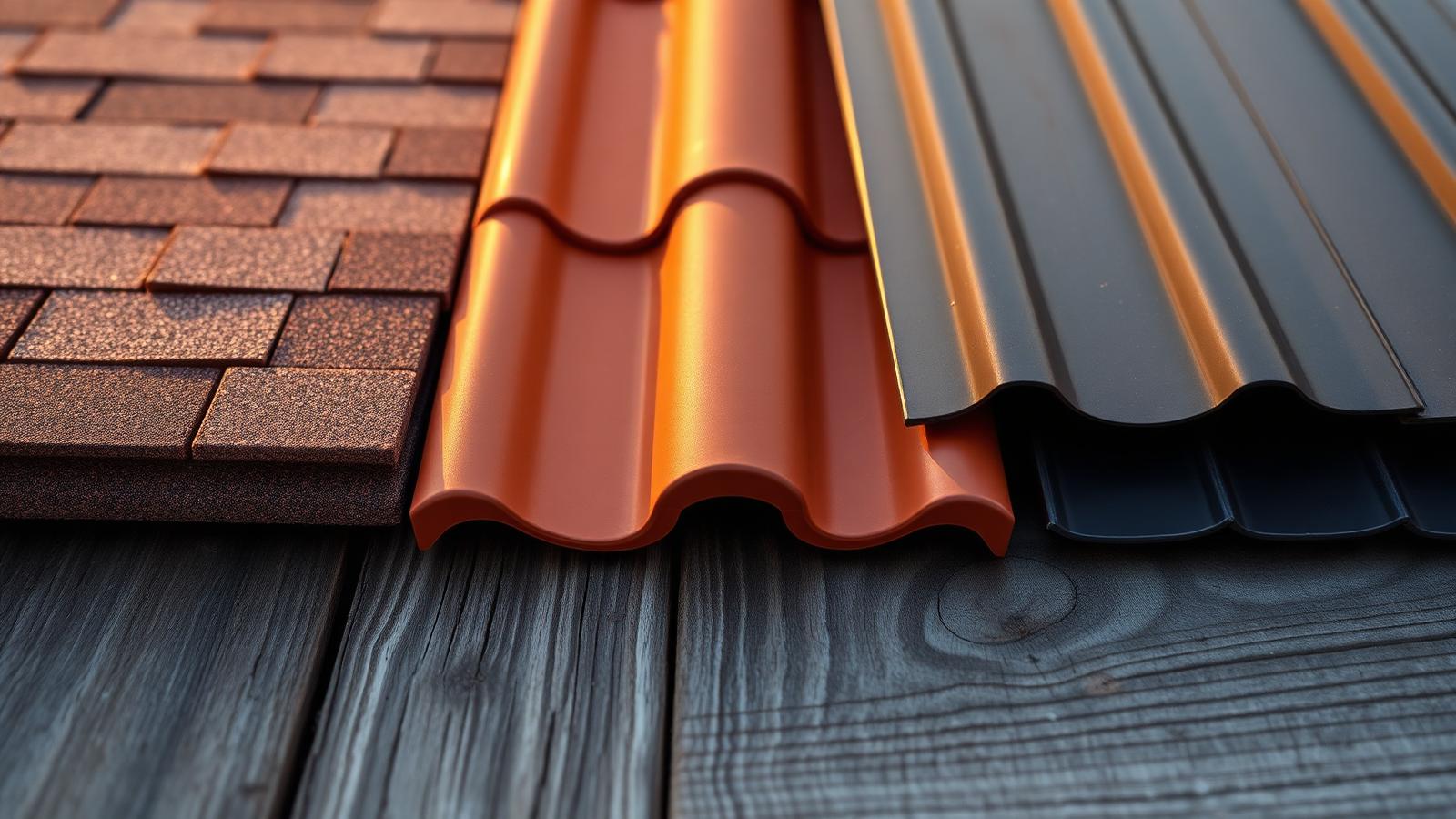
For most Tampa Bay homes, architectural asphalt shingle is the best value, concrete tile is the best long-term investment for Mediterranean-style homes, and aluminum standing-seam metal is the best performer within a few miles of the Gulf. Shingle lasts 15 to 22 years in Florida, tile 40 to 50+, and metal 40 to 70.
- Shingle is cheapest up front but has the shortest Florida lifespan, plan on 15 to 22 years, not 30.
- Concrete tile outlives its own underlayment; budget a re-underlayment around year 20 to 25 instead of a full replacement.
- Aluminum metal is the only material that ignores salt air. Steel panels rust near the Gulf.
- Wind rating is an installation detail as much as a material one, an unlimited mph shingle installed with a 4-nail pattern is not an unlimited mph roof.
Florida is the hardest roofing environment in the continental US. You get UV loading close to the equator, near-daily summer thermal cycling, hurricane uplift, and, within a few miles of the coast, salt aerosol that eats fasteners. A material that lasts 30 years in Ohio does not last 30 years here. Here's how the three real options actually compare.
How do metal, tile and shingle compare on cost and lifespan?
| Asphalt Shingle | Concrete / Clay Tile | Metal | |
|---|---|---|---|
| Installed cost (per sq ft) | $5 to $9 | $12 to $22 | $14 to $26 |
| Realistic FL lifespan | 15 to 22 yrs | 40 to 50+ yrs | 40 to 70 yrs |
| Typical wind rating | 110 to 130 mph | 125 to 150 mph | 140 to 180 mph |
| Salt-air performance | Fair | Excellent | Excellent (aluminum) / Poor (steel) |
| Weight on structure | Light | Heavy (600 to 1,000 lb/sq) | Very light |
| Cooling benefit | Low | Moderate (air gap) | High (reflective) |
| Insurance friendliness | Good if under 15 yrs | Very good | Very good |
Those cost ranges are Tampa Bay installed pricing including tear-off, new underlayment, code-required deck re-nailing, flashing and permits. Anyone quoting materially below that range is leaving something out, usually the decking allowance or the flashing.
Which roof handles Florida heat best?
Metal wins outright. A reflective Kynar 500 finish on standing seam sends most solar radiation back out instead of loading it into your attic, and homeowners routinely report 10 to 20% cooling savings after switching from dark shingle. Tile is second because the profile creates an air gap that lets heat convect out from under the tile before it reaches the deck. Dark asphalt shingle is last, it absorbs heat and transmits it straight into the deck, which is exactly why attic ventilation matters so much on shingle roofs.
Which roof handles hurricanes best?
Rated correctly and installed correctly, all three pass Florida code. The difference is what happens in the real world at year 12. Interlocking standing-seam metal has no individual pieces to peel off, so it holds up best. Tile is heavy and stays put, but individual tiles can break under debris impact and are easily replaced. Shingle is the most vulnerable because uplift attacks each tab edge, and once one course lifts, the rest unzips.
Which roof survives salt air?
If you're in Clearwater, Palm Harbor, Ozona or anywhere on the barrier islands, metallurgy matters more than material. Galvanized steel fasteners rust out in a handful of seasons within a mile of the Gulf, and steel roof panels will streak and fail no matter how good the coating is. On coastal work we spec aluminum panels, aluminum drip edge and stainless fasteners as standard. Concrete tile also performs excellently near the water, as long as the fasteners under it are correct.
So which one should you actually buy?
- Staying 7 to 12 years, standard suburban home: architectural shingle. Best dollar-per-year, easiest insurance path.
- Mediterranean or Spanish-style home, staying long term: concrete tile. It matches the architecture and the neighborhood values.
- Coastal or waterfront home: aluminum standing seam. The salt argument outweighs everything else.
- Forever home, want to never think about it again: metal. Highest up-front, lowest lifetime cost.
There is no universal right answer, and any roofer who gives you one without walking your roof is selling, not advising. Our Roof Pack(Edge) Report prices all three side by side on your actual house, same measurements, same scope, apples to apples.
Frequently asked questions
Is a metal roof worth it in Florida?
Yes for long-term owners and coastal homes. Metal costs roughly two to three times shingle up front but lasts two to three times as long, reduces cooling costs, and frequently earns an insurance wind-mitigation credit. For homeowners planning to sell within a decade, shingle usually returns more.
How long does a shingle roof last in Florida?
A properly installed architectural shingle roof lasts 15 to 22 years in Florida, well short of the 30-year figure on the wrapper. UV intensity, thermal cycling and humidity all shorten shingle life in the Tampa Bay climate.
Does a tile roof mean I never need another roof?
The tile itself can last 50 years or more, but the underlayment beneath it lasts 20 to 25. Most tile homes need a re-underlayment, lifting, stacking and resetting the existing tile over new underlayment, rather than a full replacement.
Which roof gets the biggest insurance discount in Florida?
Wind-mitigation credits follow roof deck attachment, secondary water barrier, roof-to-wall connections and roof geometry more than material choice. A new roof of any of the three materials, installed to current code with a secondary water barrier, typically produces the largest premium reduction.
Get the real answer for your roof.
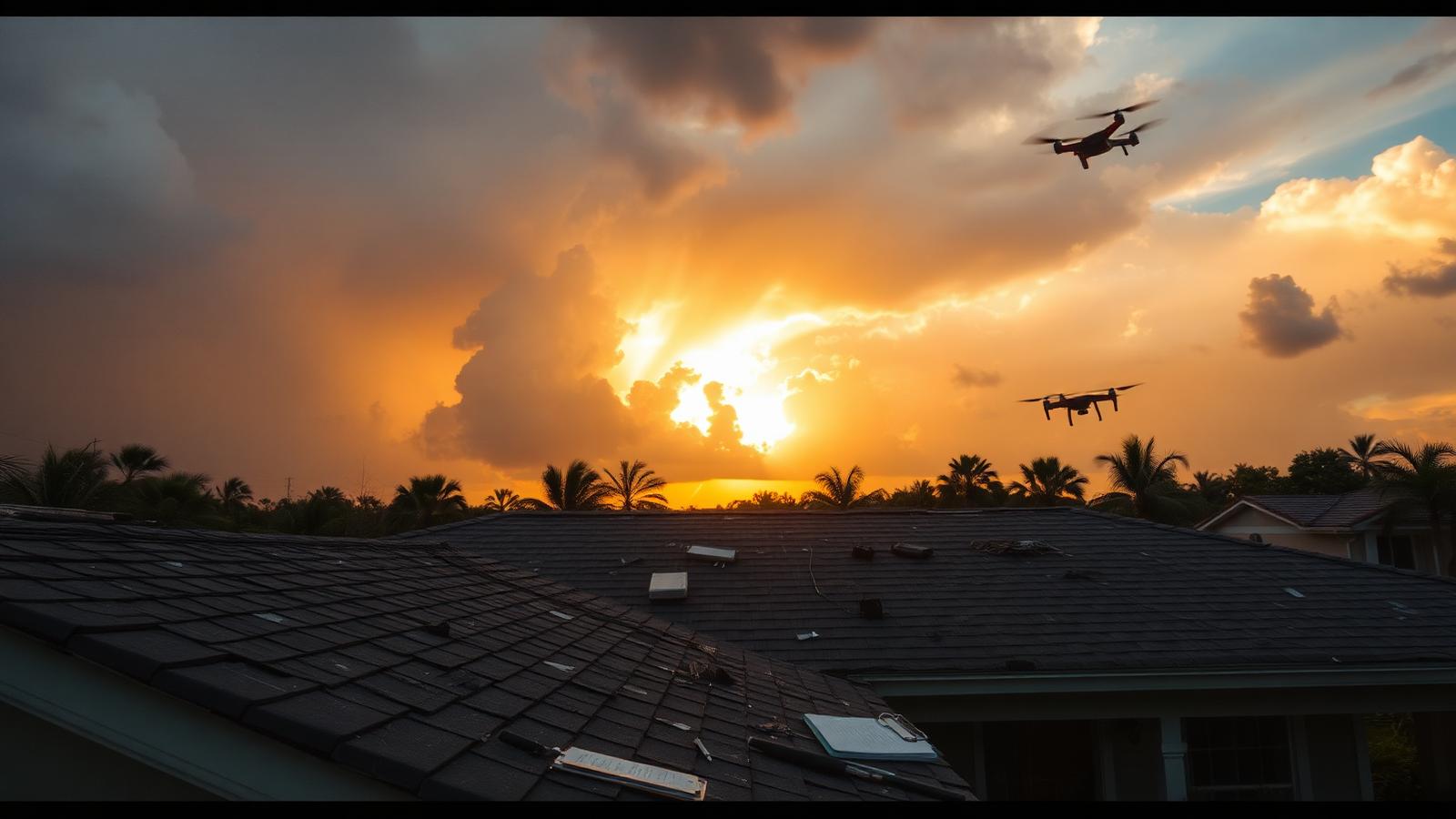
The Roof Pack(Edge) Report is a drone-documented inspection with photos, a remaining-life estimate and a written scope. No pressure. You keep it either way.